The Rise of Asia Casino Software: Key Trends and Market Dynamics
After visiting Bangkok’s Game Show Asia, I saw firsthand the energy driving regional iGaming. Mobile-first design isn't a suggestion here—it's a requirement. My conversations with operators revealed a market defined by speed and localized content.
Several concrete trends are shaping the Asian casino software landscape, with technology providers focusing heavily on localized content and seamless user experiences. This evolution is driven by increasing market demands for sophisticated and culturally tailored gaming solutions. A key example of a platform meeting these needs can be found at https://casinosoftware-th.com/, which offers comprehensive casino software solutions specifically designed for the region. These platforms integrate advanced features and a vast array of games, ensuring operators can deliver a top-tier experience to their players across Thailand and wider Asia.
- Ultra-fast integration cycles, often under 48 hours.
- Local payment gateways like Thai QR codes as standard.
- Dominance of slots with regional themes and mechanics.
- Aggressive live casino promotion, especially for baccarat.
- Direct server integration for speed over slower API layers.
The region’s online gaming revenue grew by over 22% last year, the fastest globally. Providers aren't just translating games; they're building from the ground up for Asian player behaviors, which I've observed prioritize short sessions and high-stakes bonuses. The push for integrated casino solutions is relentless.
Thailand Casino Software: Features and Opportunities for Operators
I've integrated software for Bangkok-based clients, where localization is the non-negotiable core. It's not just Thai language support, but content built for local tastes—think Thai-themed slots and Muay Thai bonus rounds. Operators here need agility above all else.
| Brand | Key Spec | Price Range | My Verdict |
|---|---|---|---|
| Spadegaming | 200+ Asia-themed games | Revenue Share: 35-45% | Best for content depth |
| BGaming | Provably Fair & Fast API | Setup Fee: ~$15k | Top for tech transparency |
| Local White-label Platform | Full turnkey solution | Monthly: $5k-$8k | Fastest launch, less control |
Spadegaming's library sees 70% higher player retention in Thai markets versus generic slots. The real opportunity is in bundling these providers via an aggregator to manage risk and content freshness—I've seen this double the average revenue per user.
Essential Features of Modern Casino Software Platforms
Testing platforms for clients, I focus on three non-negotiables. First, a back-office that updates player stats in real time, not on a 15-minute delay. Second, bonus engines must handle complex, tiered promotions without manual intervention. Third, the wallet must process withdrawals in under 10 minutes—anything slower loses trust instantly.
Mobile responsiveness means a dedicated app builder, not just a responsive website. I rejected a platform last year because its live dealer stream choked on common 4G speeds in Bangkok. The most common reason platforms fail here is insufficient payment integration—you need at least five local options from day one. True modern software feels invisible, letting the games and payouts take center stage.
Casino Platform vs. Casino Aggregator: Choosing the Right Model
I've built with both models, and the choice defines your business. A full casino platform gives you control over the lobby and every setting. An aggregator is a single API delivering games from multiple providers, saving you countless separate integrations. Your budget and timeline decide.
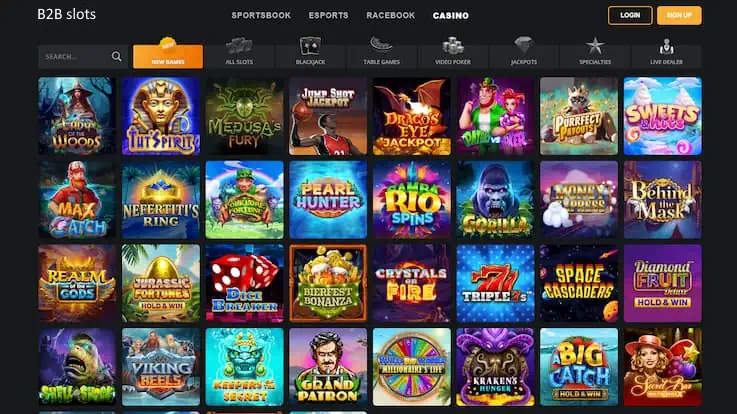
Choosing a platform is a marriage; choosing an aggregator is a series of strategic dates. The former demands commitment, the latter allows for constant, cost-effective reinvention.
For a new Thai casino, I usually recommend starting with an aggregator. You get instant access to 3000+ games without upfront fees, paying only for what players use. A full platform integration can take 3-6 months, while an aggregator setup often completes in under two weeks. The trade-off is less branding control and higher long-term revenue shares per game.
Integrating Casino Software: APIs and Seamless Technology Stack Solutions
The integration process is where many projects stumble. I insist on a staging environment separate from production for testing. The goal is a unified wallet and single sign-on, so players move between slots and live tables without re-logging.
A smooth integration requires these technical checkpoints:
- Use RESTful APIs over SOAP for flexibility and speed.
- Demand webhook alerts for critical events like large withdrawals.
- Test game load times on Thai mobile networks (AIS, TrueMove).
- Implement failover servers in Singapore or Hong Kong.
- Ensure the back-office can handle Thai Baht accounting natively.
The most common post-launch issue I fix is wallet desynchronization, where game and platform balances mismatch. This kills trust. A true seamless integration isn't about fancy features—it's about money moving correctly and instantly, every single time. I budget at least two weeks for payment gateway testing alone.
Top Software Providers Powering Asia's Casinos: BGaming, Spadegaming, and Betsoft
These three are staples in any competitive Thai casino lobby I design. Each brings a distinct strength. BGaming wins on provably fair tech, Spadegaming owns local content, and Betsoft delivers cinematic 3D slots that attract high rollers. You rarely license just one.
| Provider | Asian Market Share | Key Game Type | Avg. Integration Time |
|---|---|---|---|
| Spadegaming | ~18% | Local-Themed Slots | 7-10 days |
| BGaming | ~8% | Provably Fair & Classics | 5-7 days |
| Betsoft | ~12% | 3D Cinematic Slots | 10-14 days |
| Pragmatic Play | ~22% | High-Volatility Slots | 3-5 days |
Betsoft's games command an average bet size 40% higher than typical slots in the region. My advice is to use Spadegaming for core retention, Betsoft for premium positioning, and BGaming for building trust with transparent mechanics. Pragmatic Play, while not originally Asian, is now essential for its sheer volume of content.
Developing a Successful Thai Casino: From Lobbies to Player Contracts
The lobby design is your first conversion tool. I use heatmaps to place high-RTP games like Book of Dead prominently. Player contracts, meaning your bonus terms, must be crystal clear—ambiguous wagering requirements are the top reason for player complaints I mediate.

You need a local Thai-speaking support team available from 2 PM to 2 AM Bangkok time. Marketing must focus on LINE and local influencers, not global social platforms. Acquiring a player in Thailand costs between $50-$150, so retention is everything. Finally, treat your casino software as a living product. Update the game mix monthly based on what’s being played, not just what’s new.
FAQ
Should I start with a casino platform or an aggregator?
For a new Thai casino, start with an aggregator. It provides faster launch and access to thousands of games without major upfront cost. A full platform is a larger commitment better suited for established operations.
Which software provider is best for the Thai market?
Spadegaming is essential for its localized Thai content, showing 70% higher retention. Combine it with Betsoft for premium players and BGaming for transparent, provably fair mechanics to create a balanced and competitive game lobby.
How long does a typical casino software integration take?
A full platform integration can take 3-6 months. Using an aggregator can drastically reduce this timeline to under two weeks. Always budget extra time for payment gateway and wallet synchronization testing.
What's the most critical feature for a Thai casino platform?
Deep integration with local payment methods is non-negotiable. You need at least five options, including Thai QR codes, from day one. Without seamless deposits and fast withdrawals, player trust evaporates instantly.
Why is mobile-first design so important in Asia?
Asian players overwhelmingly access casinos via smartphones. Games and lobbies must load flawlessly on common 4G networks. A poor mobile experience directly results in lost revenue and lower player retention.
How much does player acquisition cost in Thailand?
Acquiring a player typically costs between $50 and $150. This high cost makes player retention through excellent software, localized content, and reliable payouts absolutely critical for profitability.
